Planning a Wildlife and Beach Holiday from Zanzibar
Combining a Tropical Island Stay with an African Safari
Zanzibar is known for its white sand beaches, turquoise waters, and spice plantations. Many visitors spend their entire holiday on the island, enjoying the relaxed coastal lifestyle. But the Tanzanian mainland offers something entirely different: the vast savannahs and dense wildlife of the Serengeti National Park, the Ngorongoro Crater, and other world-famous reserves. For those who want both beach relaxation and a proper wildlife experience, a combined trip makes excellent sense. This article explains how a Serengeti safari from Zanzibar works, what to expect, and how to plan the journey smoothly.
Why Combine Zanzibar with a Safari
Zanzibar is a superb place to unwind after days of game drives. The island's calm beaches and historic Stone Town offer a contrast to the dusty, open plains of the Serengeti. Instead of choosing one or the other, a growing number of travellers arrange a short fly-in safari from Zanzibar to the mainland parks, then return to the island for the remainder of their stay. This approach means you don't need to overland across Tanzania or spend long hours on rough roads. A flight from Zanzibar to a mainland airstrip near the park takes under two hours. Once there, you can spend two or three days on game drives, then fly back to your beach resort.
How a Fly-In Safari Works
A fly-in safari typically involves a light aircraft or small charter plane from Zanzibar's airport to a landing strip near the Serengeti or Lake Manyara. The flight itself offers aerial views of the coastline and the interior. Upon landing, a driver-guide meets you and transfers you to a lodge or tented camp inside or near the park. The next day or two are spent on morning and afternoon game drives, following the movements of animals. At the end of the safari, you fly back to Zanzibar. This format allows you to experience a Serengeti safari from Zanzibar without the long overland transfer that would eat into your beach time.
Many operators, including those that design tailor-made tours, offer packages that fit this exact pattern. You can choose a one-night or two-night safari, depending on your schedule and budget. The key advantage is efficiency: you see serious wildlife in a concentrated period, then return to the coast.
What to Expect on the Safari
The Serengeti ecosystem is vast, and game drives cover a lot of ground. You will likely visit the central Serengeti plains, where herds of zebra and wildebeest gather, and where predators such as lions and cheetahs are commonly spotted. Depending on the season, the migration may be in the northern or southern part of the park. Your guide will know the current patterns and adjust the route accordingly.
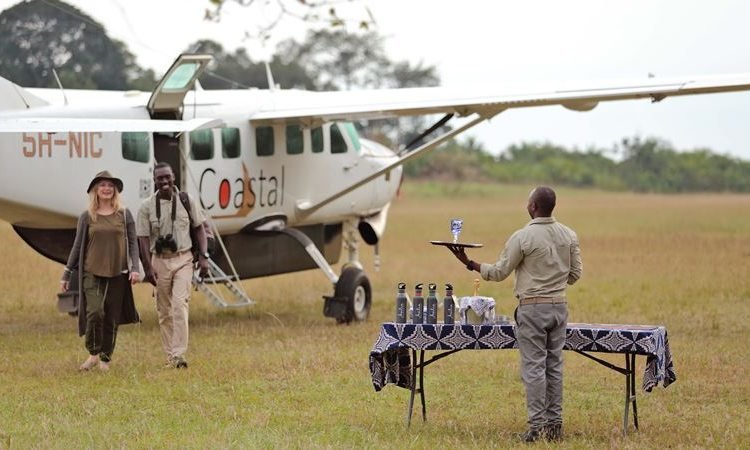
Other parks are also reachable from the same airstrip. The Ngorongoro Crater, a collapsed volcano with a high density of animals, is a popular add-on. Lake Manyara offers tree-climbing lions and large flocks of flamingos. Tarangire National Park, further south, is famous for its elephant herds and baobab trees. A well-planned itinerary might include one of these parks alongside the Serengeti, giving you variety in landscapes and wildlife.
Practical Considerations
Before booking, check the flight schedule and the weight limits for luggage on small aircraft. Most safari flights have a strict baggage allowance, so pack light. You will need neutral-coloured clothing, a hat, sunscreen, binoculars, and a camera. The weather on the mainland can be hot during the day and cool at night, so layers are useful.
Accommodation on the safari ranges from basic tented camps to luxury lodges. For a short trip, comfort matters: you want a place with good food, clean bathrooms, and mosquito nets. Ask about the type of tent or room, the meal plan, and whether drinking water is provided. Many camps use solar power and have limited electricity, so charge your devices before leaving Zanzibar.
The best time for a Serengeti safari from Zanzibar depends on what you want to see. The dry season, from June to October, offers excellent wildlife viewing because animals gather around water sources and vegetation is thinner. The wet season, from November to May, brings green landscapes and newborn animals, but also more rain and mud. Both seasons have their appeal; the choice depends on your tolerance for rain and your interest in the migration.
Health and Safety
You will need to take antimalarial medication for the mainland parks, as malaria is present. Zanzibar itself has a lower risk, but the safari areas require prophylaxis. Also check that your routine vaccinations are up to date, and consider a yellow fever vaccine if you are arriving from a country where the virus is present. Mosquito repellent and long sleeves at dusk are essential.
On the safari itself, follow your guide's instructions about staying inside the vehicle and keeping limbs inside. The animals are wild and unpredictable. Do not stand up or make sudden movements during a sighting. Guides are experienced and prioritise safety, but your cooperation matters.

Packing for Both Environments
Because you are combining a beach stay with a safari, your suitcase will need two sets of gear. On the island, light cotton clothing, swimwear, sandals, and sun protection are sufficient. For the safari, bring long trousers, closed-toe shoes, a warm jacket for early morning drives, and a hat. A small daypack for water and snacks during drives is useful. Many travellers find that a soft-sided duffel bag works better than a hard suitcase on small planes.
If you plan to visit Stone Town before or after the safari, pack modest clothing for walking around the old city. Shorts and sleeveless tops are acceptable on the beach but can attract unwanted attention in town.
Making the Most of Your Time
A combined trip works best when you allocate at least three nights to Zanzibar and two nights to the safari. That gives you enough time to see the main highlights without feeling rushed. Some travellers do a single overnight safari, which is possible but leaves little margin for flight delays or weather changes. A two-night stay gives you a full day and a half of game drives, which is usually enough to see the big cats, elephants, and other key species.
Consider arriving in Zanzibar first, spending a couple of days recovering from your flight and adjusting to the time zone, then taking the safari mid-trip, and returning to the island for a final few days of relaxation. This sequence breaks up the journey and gives you something to look forward to after the safari.
Booking and Flexibility
Because the flights and lodges have limited capacity, it is wise to book well ahead, especially during the peak season from July to September. A tailor-made tour operator can handle the logistics: the flight, the transfers, the park fees, and the accommodation. You simply show up with your passport and enjoy the experience.
Be aware that flight schedules can change due to weather or mechanical issues. A good operator will have contingency plans, such as alternative routes or overnight stays. Ask about cancellation policies and travel insurance that covers flight disruptions.
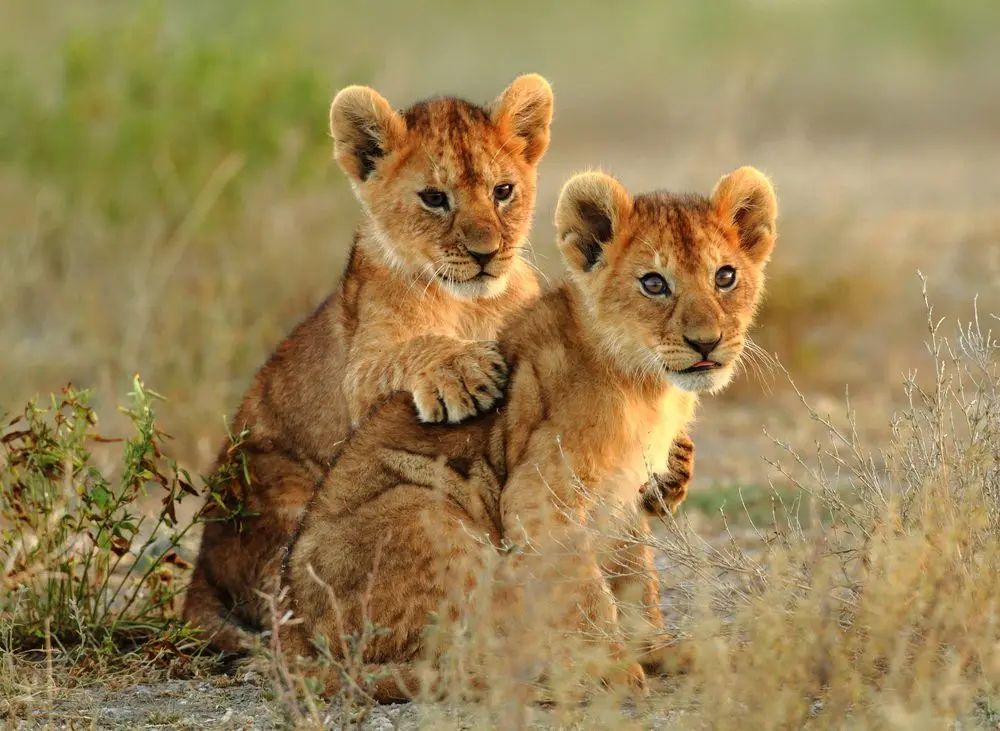
The phrase "Serengeti safari from Zanzibar" describes exactly this kind of trip: a short, efficient wildlife experience that complements a beach holiday. It is not a full overland expedition, but a focused safari that lets you see the best of Tanzania's wildlife without leaving the comfort of your island base.
Final Thoughts
Combining Zanzibar's coastline with the Serengeti's wilderness gives you two very different holidays in one journey. The logistics are straightforward if you choose a fly-in safari, and the payoff is immense: you return to the beach with memories of lions, elephants, and endless savannah. Whether you are a first-time visitor to Africa or a returning traveller, this combination offers a balanced, rewarding experience.